

Our department at Monash University gets many requests for FODMAP food analysis. One that is commonly asked for is whether sprouting can affect the FODMAP content of foods – we have recently undertaken some studies on sprouting and wanted to share our results. Popular sprouted products include grains (such as wheat or rye) and legumes (such as chickpeas). Sprouted grains and legumes are in transition between the seed and new plant phases. While they’re marketed for their superior nutrient profile, there is limited evidence to support the benefit of these products over non-sprouted alternatives.
https://trim-shift.today/blog/fodmap-testing/.%3C/a%3E%3C/span%3E%3C/p%3E%3C/div%3E
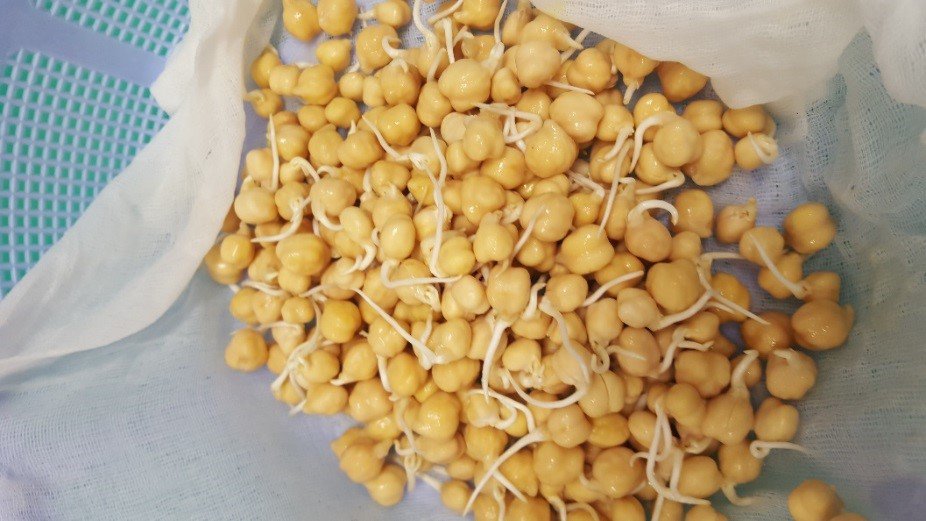
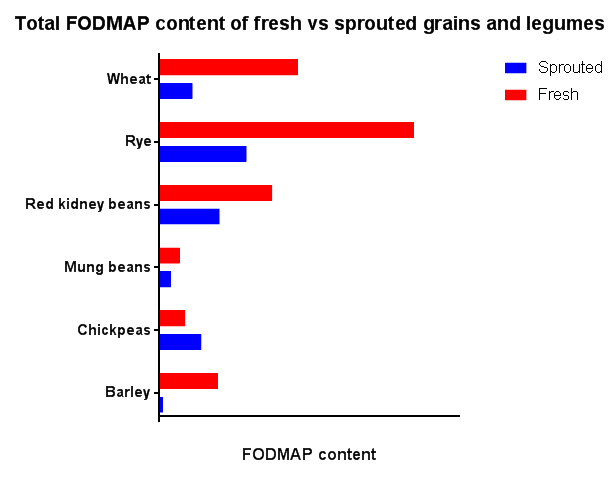
The theory behind the changes in FODMAP content with sprouting are related to enzymes present within the grain or legume. Upon germination of the grain or legume, enzymes are activated which can break down the oligosaccharide chains. In some cases, the enzyme may not be able to act sufficiently to have any effect on the FODMAP content, such as the case with the chickpeas found here.
Key messages:


